August 30

St. John The Baptist Greek Orthodox Church
Publish Date: 2026-08-30
Bulletin Contents
Gospel and Epistle Readings
Hymns of the Day
Saints and Feasts
Wisdom of the Fathers
Schedule of Services
Diakonia Newsletter
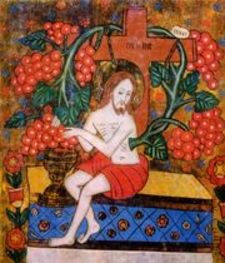

St. John The Baptist Greek Orthodox Church
General Information
- Phone:
- (843) 448-3773
- Email:
- [email protected]
- Street Address:
- 3301 33rd Ave. Extension N.
- Myrtle Beach, SC 29577
Contact Information
Services Schedule
Sunday & Weekday Services
Orthros: 9:00 AM
Divine Liturgy 10:00 AM
Past Bulletins
- Publish Date:
- 2026-09-13
- Publish Date:
- 2026-09-06
- Publish Date:
- 2026-08-23
- Publish Date:
- 2026-08-16
- Publish Date:
- 2026-08-09
- Publish Date:
- 2026-08-02
Gospel and Epistle Readings
Matins Gospel Reading
Second Orthros Gospel
The Reading is from Mark 16:1-8
When the Sabbath was past, Mary Magdalene, and Mary the mother of James and Salome, bought spices, so that they might go and anoint Jesus. And very early on the first day of the week they went to the tomb when the sun had risen. And they were saying to one another, "Who will roll away the stone for us from the door of the tomb?" And looking up, they saw that the stone was rolled back - it was very large. And entering the tomb, they saw a young man sitting on the right side, dressed in a white robe; and they were amazed. And he said to them, "Do not be amazed; you seek Jesus of Nazareth, who was crucified. He has risen, He is not here; see the place where they laid Him. But go, tell His disciples and Peter that He is going before you to Galilee; there you will see Him, as He told you." And they went out and fled from the tomb, for trembling and astonishment had come upon them; and they said nothing to anyone, for they were afraid.
Second Orthros Gospel
Κατὰ Μᾶρκον 16:1-8
Διαγενομένου τοῦ Σαββάτου, Μαρία ἡ Μαγδαληνὴ καὶ Μαρία ἡ τοῦ Ἰακώβου καὶ Σαλώμη ἠγόρασαν ἀρώματα, ἵνα ἐλθοῦσαι ἀλείψωσιν τὸν Ἰησοῦν. Καὶ λίαν πρωῒ τῇ μιᾷ τῶν σαββάτων ἔρχονται ἐπὶ τὸ μνημεῖον ἀνατείλαντος τοῦ ἡλίου. Καὶ ἔλεγον πρὸς ἑαυτάς· Τίς ἀποκυλίσει ἡμῖν τὸν λίθον ἐκ τῆς θύρας τοῦ μνημείου; καὶ ἀναβλέψασαι θεωροῦσιν ὅτι ἀποκεκύλισται ὁ λίθος· ἦν γὰρ μέγας σφόδρα. Καὶ εἰσελθοῦσαι εἰς τὸ μνημεῖον, εἶδον νεανίσκον καθήμενον ἐν τοῖς δεξιοῖς, περιβεβλημένον στολήν λευκήν, καὶ ἐξεθαμβήθησαν· ὁ δὲ λέγει αὐταῖς· Μὴ ἐκθαμβεῖσθε, Ἰησοῦν ζητεῖτε τὸν Ναζαρηνὸν τὸν ἐσταυρωμένον, ἠγέρθη, οὐκ ἔστιν ᾧδε· ἴδε, ὁ τόπος ὅπου ἔθηκαν αὐτόν, ἀλλ' ὑπάγετε, εἴπατε τοῖς μαθηταῖς αὐτοῦ καὶ τῷ Πέτρῳ, ὅτι προάγει ὑμᾶς εἰς τὴν Γαλιλαίαν· ἐκεῖ αὐτὸν ὄψεσθε, καθὼς εἶπεν ὑμῖν. Καὶ ἐξελθοῦσαι ταχὺ ἔφυγον ἀπὸ τοῦ μνημείου, εἶχε δὲ αὐτὰς τρόμος καὶ ἔκστασις, καὶ οὐδενὶ οὐδὲν εἶπον· ἐφοβοῦντο γάρ.
Epistle Reading
Prokeimenon. Fourth Tone. Psalm 103.24,1.
O Lord, how manifold are your works. You have made all things in wisdom.
Verse: Bless the Lord, O my soul.
The reading is from St. Paul's First Letter to the Corinthians 16:13-24.
Brethren, be watchful, stand firm in your faith, be courageous, be strong. Let all that you do be done in love. Now, brethren, you know that the household of Stephanas were the first converts in Achaia, and they have devoted themselves to the service of the saints; I urge you to be subject to such men and to every fellow worker and laborer. I rejoice at the coming of Stephanas and Fortunatus and Achaicos, because they have made up for your absence; for they refreshed my spirit as well as yours. Give recognition to such men. The churches of Asia send greetings. Aquila and Prisca, together with the church in their house, send you hearty greetings in the Lord. All the brethren send greetings. Greet one another with a holy kiss. I, Paul, write this greeting with my own hand. If any one has no love for the Lord, let him be accursed. Our Lord, come! The grace of the Lord Jesus be with you. My love be with you all in Christ Jesus. Amen.
Προκείμενον. Fourth Tone. ΨΑΛΜΟΙ 103.24,1.
Ὡς ἐμεγαλύνθη τὰ ἔργα σου Κύριε, πάντα ἐν σοφίᾳ ἐποίησας.
Στίχ. Εὐλόγει ἡ ψυχή μου τὸν Κύριον.
τὸ Ἀνάγνωσμα Πρὸς Κορινθίους α' 16:13-24.
Ἀδελφοί, γρηγορεῖτε, στήκετε ἐν τῇ πίστει, ἀνδρίζεσθε, κραταιοῦσθε. Πάντα ὑμῶν ἐν ἀγάπῃ γινέσθω. Παρακαλῶ δὲ ὑμᾶς, ἀδελφοί - οἴδατε τὴν οἰκίαν Στεφανᾶ, ὅτι ἐστὶν ἀπαρχὴ τῆς Ἀχαΐας, καὶ εἰς διακονίαν τοῖς ἁγίοις ἔταξαν ἑαυτούς - ἵνα καὶ ὑμεῖς ὑποτάσσησθε τοῖς τοιούτοις, καὶ παντὶ τῷ συνεργοῦντι καὶ κοπιῶντι. Χαίρω δὲ ἐπὶ τῇ παρουσίᾳ Στεφανᾶ καὶ Φουρτουνάτου καὶ Ἀχαϊκοῦ, ὅτι τὸ ὑμῶν ὑστέρημα οὗτοι ἀνεπλήρωσαν. Ἀνέπαυσαν γὰρ τὸ ἐμὸν πνεῦμα καὶ τὸ ὑμῶν· ἐπιγινώσκετε οὖν τοὺς τοιούτους. Ἀσπάζονται ὑμᾶς αἱ ἐκκλησίαι τῆς Ἀσίας· ἀσπάζονται ὑμᾶς ἐν κυρίῳ πολλὰ Ἀκύλας καὶ Πρίσκιλλα, σὺν τῇ κατʼ οἶκον αὐτῶν ἐκκλησίᾳ. Ἀσπάζονται ὑμᾶς οἱ ἀδελφοὶ πάντες. Ἀσπάσασθε ἀλλήλους ἐν φιλήματι ἁγίῳ. Ὁ ἀσπασμὸς τῇ ἐμῇ χειρὶ Παύλου. Εἴ τις οὐ φιλεῖ τὸν κύριον Ἰησοῦν Χριστόν, ἤτω ἀνάθεμα. Μαρὰν ἀθά. Ἡ χάρις τοῦ κυρίου Ἰησοῦ Χριστοῦ μεθʼ ὑμῶν. Ἡ ἀγάπη μου μετὰ πάντων ὑμῶν ἐν Χριστῷ Ἰησοῦ. Ἀμήν.
Gospel Reading
13th Sunday of Matthew
The Reading is from Matthew 21:33-42
The Lord said this parable, "There was a householder who planted a vineyard, and set a hedge around it, and dug a wine press in it, and built a tower, and let it out to tenants, and went into another country. When the season of fruit drew near, he sent his servants to the tenants, to get his fruit; and the tenants took his servants and beat one, killed another, and stoned another. Again he sent other servants, more than the first; and they did the same to them. Afterward he sent his son to them, saying 'They will respect my son.' But when the tenants saw the son, they said to themselves, 'This is the heir; come, let us kill him and have his inheritance.' And they took him and cast him out of the vineyard and killed him. When therefore the owner of the vineyard comes, what will he do to those tenants?" They said to him, "He will put those wretches to a miserable death, and let out the vineyard to other tenants who will give him the fruits in their seasons." Jesus said to them, "Have you never read in the scriptures: 'The very stone which the builders rejected has become the head of the corner; this was the Lord's doing, and it is marvelous in our eyes?'"
13th Sunday of Matthew
Κατὰ Ματθαῖον 21:33-42
Εἶπεν ὁ Κύριος τήν παραβολὴν ταύτην· ῎Αλλην παραβολὴν ἀκούσατε. ἄνθρωπός τις ἦν οἰκοδεσπότης, ὅστις ἐφύτευσεν ἀμπελῶνα καὶ φραγμὸν αὐτῷ περιέθηκε καὶ ὤρυξεν ἐν αὐτῷ ληνὸν καὶ ᾠκοδόμησε πύργον, καὶ ἐξέδοτο αὐτὸν γεωργοῖς καὶ ἀπεδήμησεν. ὅτε δὲ ἤγγισεν ὁ καιρὸς τῶν καρπῶν, ἀπέστειλε τοὺς δούλους αὐτοῦ πρὸς τοὺς γεωργοὺς λαβεῖν τοὺς καρποὺς αὐτοῦ. καὶ λαβόντες οἱ γεωργοὶ τοὺς δούλους αὐτοῦ ὃν μὲν ἔδειραν, ὃν δὲ ἀπέκτειναν, ὃν δὲ ἐλιθοβόλησαν. πάλιν ἀπέστειλεν ἄλλους δούλους πλείονας τῶν πρώτων, καὶ ἐποίησαν αὐτοῖς ὡσαύτως. ὕστερον δὲ ἀπέστειλε πρὸς αὐτοὺς τὸν υἱὸν αὐτοῦ λέγων· ἐντραπήσονται τὸν υἱόν μου. οἱ δὲ γεωργοὶ ἰδόντες τὸν υἱὸν εἶπον ἐν ἑαυτοῖς· οὗτός ἐστιν ὁ κληρονόμος· δεῦτε ἀποκτείνωμεν αὐτὸν καὶ κατάσχωμεν τὴν κληρονομίαν αὐτοῦ. καὶ λαβόντες αὐτὸν ἐξέβαλον ἔξω τοῦ ἀμπελῶνος, καὶ ἀπέκτειναν. ὅταν οὖν ἔλθῃ ὁ κύριος τοῦ ἀμπελῶνος, τί ποιήσει τοῖς γεωργοῖς ἐκείνοις; λέγουσιν αὐτῷ· κακοὺς κακῶς ἀπολέσει αὐτούς, καὶ τὸν ἀμπελῶνα ἐκδώσεται ἄλλοις γεωργοῖς, οἵτινες ἀποδώσουσιν αὐτῷ τοὺς καρποὺς ἐν τοῖς καιροῖς αὐτῶν. λέγει αὐτοῖς ὁ ᾿Ιησοῦς· οὐδέποτε ἀνέγνωτε ἐν ταῖς γραφαῖς, λίθον ὃν ἀπεδοκίμασαν οἱ οἰκοδομοῦντες, οὗτος ἐγενήθη εἰς κεφαλὴν γωνίας· παρὰ Κυρίου ἐγένετο αὕτη, καὶ ἔστι θαυμαστὴ ἐν ὀφθαλμοῖς ἡμῶν;
Hymns of the Day
Resurrectional Apolytikion in the Fourth Tone
Having learned the joyful proclamation of the Resurrection from the Angel, and having cast off the ancestral condemnation, the women disciples of the Lord spake to the Apostles exultantly: Death is despoiled and Christ God is risen, granting great mercy to the world.
Τὸ φαιδρὸν τῆς Ἀναστάσεως κήρυγμα, ἐκ τοῦ Ἀγγέλου μαθοῦσαι αἱ τοῦ Κυρίου Μαθήτριαι, καὶ τὴν προγονικὴν ἀπόφασιν ἀπορρίψασαι, τοῖς Ἀποστόλοις καυχώμεναι ἔλεγον· Ἐσκύλευται ὁ θάνατος, ἠγέρθη Χριστὸς ὁ Θεός, δωρούμενος τῷ κόσμῳ τὸ μέγα ἔλεος.
Apolytikion for Apodosis of the Forerunner in the Second Tone
The memory of the just is celebrated with hymns of praise, but the Lord's testimony is sufficient for thee, O Forerunner; for thou hast proved to be truly even more venerable than the Prophets, since thou was granted to baptize in the running waters Him Whom they proclaimed. Wherefore, having contested for the truth, thou didst rejoice to announce the good tidings even to those in Hades: that God hath appeared in the flesh, taking away the sin of the world and granting us great mercy.
Μνήμη δικαίου μέτ' ἐγκωμίων, σοὶ δὲ ἀρκέσει ἡ μαρτυρία τοῦ Κυρίου Πρόδρομε, ἀνεδείχθης γὰρ ὄντως καὶ Προφητῶν σεβασμιώτερος, ὅτι καὶ ἐν ῥείθροις βαπτίσαι κατηξιώθης τὸν κηρυττόμενον. Ὅθεν τῆς ἀληθείας ὑπεραθλήσας, χαίρων εὐηγγελίσω καὶ τοὶς ἐν ἅδῃ, Θεὸν φανερωθέντα ἐν σαρκί, τὸν αἴροντα τὴν ἁμαρτίαν τοῦ κόσμου, καὶ παρέχοντα ἡμῖν τὸ μέγα ἔλεος.
Seasonal Kontakion in the Fourth Tone
In your holy birth, Immaculate One, Joachim and Anna were rid of the shame of childlessness; Adam and Eve of the corruption of death. And so your people, free of the guilt of their sins, celebrate crying: "The barren one gives birth to the Theotokos, who nourishes our life."
Ιωακείμ καί Άννα όνειδισμού ατεκνίας, καί Αδάμ καί Εύα, εκ τής φθοράς τού θανάτου, ηλευθερώθησαν, Άχραντε, εν τή αγία γεννήσει σου, αυτήν εορτάζει καί ο λαός σου, ενοχής τών πταισμάτων, λυτρωθείς εν τώ κράζειν σοι, Η στείρα τίκτει τήν Θεοτόκον, καί τροφόν τής ζωής ημών.
The translations of hymns are under copyright and used by permission. All rights reserved. These works may not be further reproduced, in print or on other websites or in any other form, without the prior written authorization of the copyright holder:
Saints and Feasts


August 30
Apodosis of the Feast of the Forerunner

August 30
Alexander, John, and Paul the New, Patriarchs of Constantinople
Saint Alexander was sent to the First Ecumenical Council in Nicaea as the delegate of Saint Metrophanes, Bishop of Constantinople (see June 4), to whose throne he succeeded in the year 325. When Arius had deceitfully professed allegiance to the Council of Nicaea, Saint Alexander, knowing his guile, refused to receive him into communion; Arius' powerful partisans threatened that they would use force to bring Arius into the communion of the Church the following day. Saint Alexander prayed fervently that God might spare the Church; and as Arius was in a privy place relieving nature, his bowels gushed forth with an effusion of blood, and the arch-heresiarch died the death of Judas. Saint Alexander was Bishop from 325 until 337, when he was succeeded by Saint Paul the Confessor, who died a martyr's death at the hands of the Arians (see Nov. 6). The Saint John commemorated here appears to be the one who was Patriarch during the years 562-577, surnamed Scholasticus, who is also commemorated on February 21. He was from Antioch, where he had been a lawyer (scholasticus); he was made presbyter, then was sent to Constantinople as representative (apocrisiarius) of the Patriarch of Antioch, and was appointed Patriarch of Constantinople by the Emperor Justinian. Saint Paul was Bishop of Constantinople during the years 687 - 693, in the reign of Emperor Justinian II, and presided over the Quinisext Council in 692.
Wisdom of the Fathers
Many things does He intimate by this parable, God's providence, which had been exercised towards them from the first; their murderous disposition from the beginning; that nothing had been omitted of whatever pertained to a heedful care of them;...
Homily 68 on Matthew 21, 4th Century
And observe also both His great care, and the excessive idleness of these men for what pertained to the husbandmen, He Himself did ... and He left little for them to do; to take care of what was there, and to preserve what was given to them.
Homily 68 on Matthew 21, 4th Century
Schedule of Services

Dance 08-30-2026
08-30-2026
Schedule of Services 09-06-2026
09-06-2026
September Duty 09-06-2026
09-06-2026
Diakonia Newsletter
Read the latest Diakonia Newsletter for this Sunday
https://bulletinbuilder.org/diakonia-newsletter/2026-08-30?source=bulletin_web
August 30, 2026