

Fr. George Parsenios (HCHC ’96)
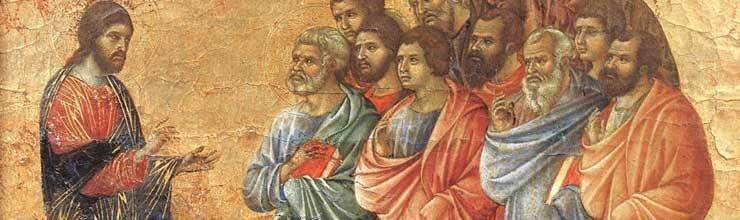
The most amazing miracles of our Christian faith might not be the ones we think of first. Our minds are drawn to those stunning marvels that violated the laws of nature, as when Jesus walked on water or multiplied loaves and fishes in the wilderness. Today’s Gospel reading, though, reveals another kind of miracle that is every bit as stunning and every bit as rare. This type of wonder might not overcome the laws of physics. Rather, it overcomes the norms of human habits and the conventions of human behavior. Jesus tells us to love our enemies and to give to those who cannot return the favor. This teaching is difficult! Obeying it requires a divine power to be at work in our lives, a power no less miraculous than walking on water. Everyone understands that you should help your friends and not your enemies. Likewise, we all know how to give in order to get something in return. But Jesus shows the world a very different way. After all, he did not die for us because we deserved it, or because we were good. He did not die for us because we could give him anything in return. He died for us because he loves us, period. To be a Christian is to show this same love to the world and to share it, even with those who do not deserve it and who cannot repay it. We cannot do this on our own, but only with a divine power active in our lives. If we wish to follow Christ’s teaching in today’s Gospel, we must become people of prayer and fasting, in order to make space in our hearts for God’s miraculous love and for this generosity to be observed in all we do and say.
Fr. George Parsenios is Professor of New Testament at Holy Cross Greek Orthodox School of Theology. www.hchc.edu